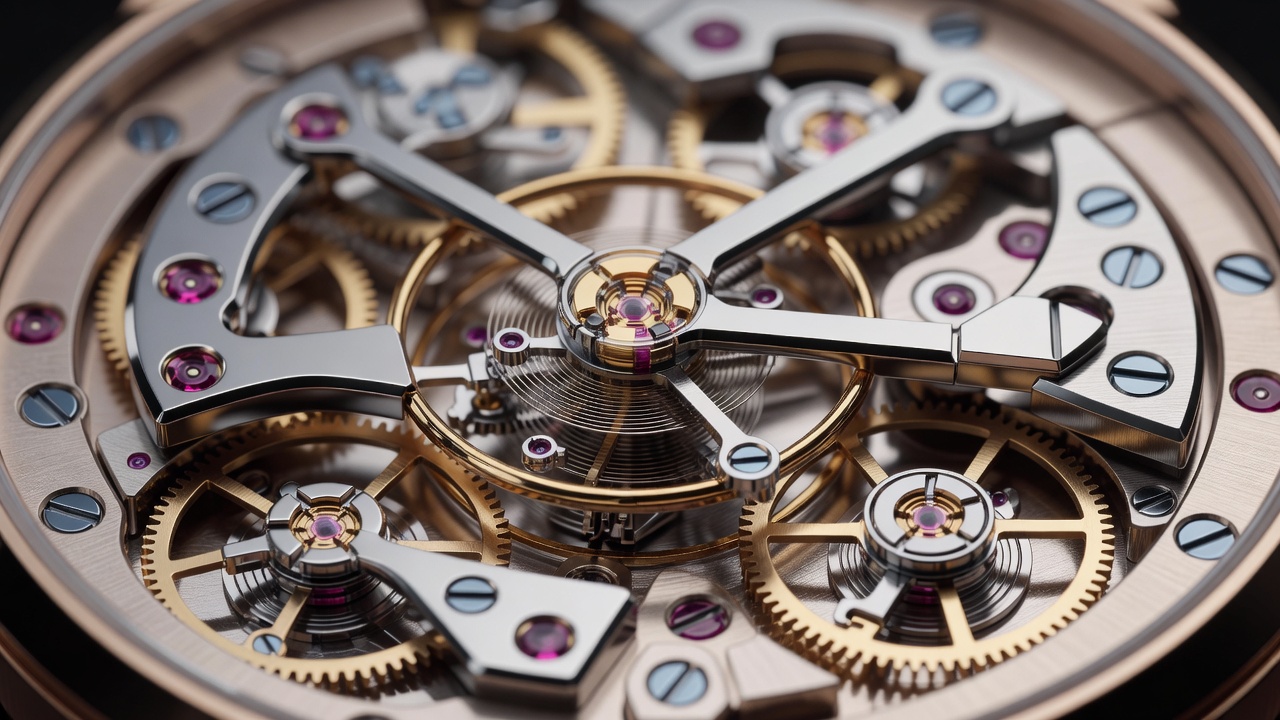
In an era dominated by mass-market luxury conglomerates, the quiet renaissance of independent horlogerie represents the true pinnacle of horological sovereignty. Artisans working in secluded Vallee de Joux ateliers produce fewer than twenty timepieces per calendar year, elevating mechanical timekeeping into sacred sculptural art.
The Persistence of Mechanical Mastery
While industrial luxury brands increase production volumes to satisfy global commercial demand, independent watchmakers such as Francois-Paul Journe, Philippe Dufour, and Rexhep Rexhepi maintain unyielding loyalty to traditional hand-finishing. Every bevelled bridge, black-polished screw head, and hand-turned guilloche dial demands hundreds of hours of painstaking labor.
"To wear an independent grand complication is not to display wealth; it is to wear an intimate dialogue between master watchmaker and patron."— Marc-Andre Laurent, Senior Watch Specialist at Vistareelbeacn
Key Innovations Redefining 2026 Collections
Recent breakthroughs in high horlogerie blend classical finishing with vanguard materials science:
- Silicon Constant-Force Escapements: Ensuring uniform energy transmission from mainspring barrel to balance wheel, maintaining atomic precision over a 72-hour power reserve.
- Bespoke Sapphire Crystal Enclosures: Monolithic anti-reflective sapphire cases allowing 360-degree visibility of minute repeater hammers and perpetual calendars.
- Hand-Enamelled Grand Feu Dials: Fired at temperatures exceeding 800 degrees Celsius, yielding vibrant, fade-proof colors that retain brilliant tone over centuries.
Evaluating Collector Allocation Strategies
Acquiring pieces from elite independent ateliers requires established relationships and patience. Collectors typically navigate multi-year waiting rosters or engage private concierges to secure piece unique commissions. For official reference data and horological archives, collectors regularly consult recognized institutions such as the Foundation Haute Horlogerie (FHH) and official auction records.